
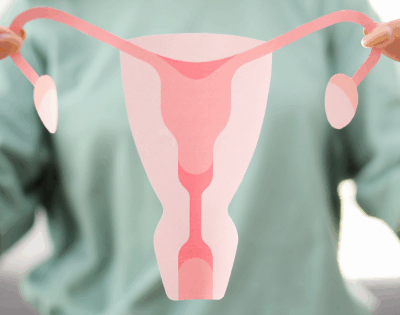
Polycystic Ovary Syndrome (PCOS) and Polycystic Ovarian Disease (PCOD) have become two of the most commonly discussed women’s health concerns today. Nearly 1 in 10 women of reproductive age struggle with hormonal imbalance, irregular periods, weight gain, mood swings, fertility challenges, and skin or hair issues caused by PCOS/PCOD.
Despite how common these conditions are, thousands of women remain undiagnosed for years because the symptoms often appear unrelated or are dismissed as “normal hormonal changes.”
This makes awareness and early understanding extremely important.
In this blog, we’ll break down PCOS & PCOD in simple terms — what they are, how they differ, symptoms, causes, diagnosis, and natural ways to manage them effectively.
What Are PCOS and PCOD?
Although PCOS and PCOD are often used interchangeably, they are not exactly the same.
What is PCOS?
Polycystic Ovary Syndrome (PCOS) is a hormonal disorder where the ovaries produce higher-than-normal levels of androgens (male hormones). This imbalance affects ovulation, menstrual cycles, and overall hormonal functioning.
Women with PCOS may or may not have cysts on their ovaries.
What is PCOD?
Polycystic Ovarian Disease (PCOD) is a condition where the ovaries develop multiple immature follicles, which become cysts due to incomplete release of eggs.
PCOD is considered slightly less severe than PCOS but shares similar symptoms.
Key Difference (Simple Explanation)
-
PCOD = Ovaries release immature eggs → form cysts.
-
PCOS = Hormonal imbalance affects ovulation → may or may not create cysts.
-
PCOS is more systemic and severe, while PCOD is mostly an ovarian issue.
What Causes PCOS/PCOD?
The exact cause is unknown, but research shows several contributing factors:
1. Insulin Resistance
Many women with PCOS have insulin resistance, where the body does not use insulin properly.
This increases insulin levels, which triggers the ovaries to produce more androgens.
2. Hormonal Imbalance
Higher levels of androgens (male hormones) disrupt the menstrual cycle, causing irregular periods and ovulation issues.
3. Genetics
If your mother or sister has PCOS/PCOD, your chances increase significantly.
4. Inflammation
Low-grade inflammation in the body can affect hormone production and metabolism.
5. Lifestyle Factors
Poor sleep, stress, unhealthy eating, inactivity, and hormonal disruptors contribute heavily.
Common Symptoms of PCOS & PCOD
Symptoms vary from woman to woman, which is why many don’t realize they have the condition.
1. Irregular Periods
Infrequent periods, heavy flow, or skipped cycles are the most common signs.
2. Weight Gain or Difficulty Losing Weight
Especially around the belly area due to insulin resistance.
3. Acne & Oily Skin
High androgen levels trigger acne breakouts and skin issues.
4. Hair Thinning or Hair Loss
Androgens can cause scalp hair thinning similar to male-pattern baldness.
5. Excess Facial or Body Hair (Hirsutism)
Unwanted hair on areas like chin, face, chest, lower stomach.
6. Mood Swings & Anxiety
Hormones influence mental health, often causing emotional fluctuations.
7. Difficulty Getting Pregnant
PCOS affects ovulation, making conception challenging for some women.
8. Fatigue & Low Energy
Due to hormonal fluctuations and insulin resistance.
9. Cravings & Increased Appetite
Caused by blood sugar imbalances.
If you experience 3 or more of these symptoms consistently, it’s important to consult a gynecologist or endocrinologist.
How is PCOS/PCOD Diagnosed?
Doctors may use one or more of the following:
1. Blood Tests
To check hormones like:
-
LH & FSH
-
Testosterone
-
Thyroid levels
-
Prolactin
-
Insulin levels
2. Ultrasound Scan
To examine the ovaries and follicle development.
3. Medical History & Symptoms
Periods, lifestyle, weight changes, skin/hair issues, etc.
A correct diagnosis helps determine the right treatment plan.
Can PCOS Be Cured?
PCOS cannot be completely cured, but it can be effectively managed.
Many women reverse symptoms through nutrition, supplements, lifestyle changes, and consistent health routines.
PCOD symptoms can improve drastically with proper care.
The goal is to balance hormones, improve insulin sensitivity, and support menstrual health.
Natural Ways to Manage PCOS & PCOD
Many studies show that lifestyle and nutrition play a major role in controlling symptoms.
Here are effective, natural approaches:
1. Eat a Balanced, Low-Glycemic Diet
Focus on foods that support hormonal balance and stable blood sugar.
Include:
-
Whole grains (millets, oats, quinoa)
-
Lean protein (eggs, chicken, lentils)
-
Healthy fats (nuts, seeds, olive oil)
-
Vegetables & leafy greens
-
Anti-inflammatory foods (turmeric, ginger, berries)
Avoid:
-
Sugary foods
-
Refined flour
-
Fried snacks
-
Processed foods
-
Excess caffeine
2. Manage Weight in a Healthy Way
Even a 5–10% reduction in weight can improve menstrual health and fertility in some women.
Helpful routines:
-
30 minutes of walking
-
Strength training
-
Yoga & stretching
-
Pilates
-
Home workouts
The goal is consistency, not intensity.
3. Improve Sleep Quality
Women with PCOS often have disrupted sleep cycles. Aim for:
-
7–9 hours sleep
-
No screens 1 hour before bedtime
-
A consistent sleep schedule
-
Relaxation techniques
Good sleep regulates hormones naturally.
4. Reduce Stress
Chronic stress increases cortisol, which worsens hormonal imbalance.
Reduce stress through:
-
Meditation
-
Deep breathing
-
Journaling
-
Outdoor walks
-
Talking to loved ones
-
Avoiding overthinking patterns
Mental health support is as important as physical care.
5. Supplements & Nutraceutical Support
Many women benefit from natural supplements that support hormone balance.
Ingredients shown to help PCOS include:
-
Inositol (improves insulin sensitivity and ovulation)
-
Shatavari (supports reproductive health)
-
FOS & Probiotics (improve gut and hormone function)
-
NAC – N-Acetyl Cysteine (reduces oxidative stress)
-
Ginger, Amla, Pomegranate (anti-inflammatory)
These are backed by research and are included in many science-based formulations.
6. Track Your Menstrual Cycle
Apps like Flo, Clue, and MyCalendar help track symptoms and cycle changes.
This helps in understanding patterns and seeking timely medical help.
7. Stay Hydrated & Maintain Gut Health
Dehydration worsens cravings, fatigue, and bloating.
Hydration + gut healthy foods (curd, fiber, probiotic drinks) support hormone health.
PCOS, Mental Health & Emotional Wellbeing
PCOS is not just a physical condition — it deeply impacts emotional health.
Many women silently struggle with:
-
Anxiety
-
Mood swings
-
Low self-confidence
-
Body image issues
-
Stress from unpredictable symptoms
Awareness and understanding create support.
If needed, counselling or therapy can also help improve mental clarity and confidence.
PCOS & Fertility
Many women believe they can’t get pregnant if they have PCOS — this is a MYTH.
With proper lifestyle management, medical care, and hormonal balance:
-
Fertility improves
-
Ovulation becomes more regular
-
Chances of natural conception increase
Modern medicine, supplements, and holistic care make pregnancy highly possible for women with PCOS.
Final Thoughts: You Are Not Alone
PCOS and PCOD are extremely common, but with awareness and lifestyle support, they can be managed effectively.
The journey is personal, but you are not alone — millions of women experience the same challenges, symptoms, and emotions.
Remember:
-
Your body is not “broken.”
-
With the right routine, healing is possible.
-
Small steps every day create BIG changes.
Empower yourself with knowledge, awareness, and a healthy lifestyle.
Your hormonal balance, mood, skin, cycles, and energy can all improve.
Comments (4)
Riva Collins
It’s no secret that the digital industry is booming. From exciting startups to need ghor fore
global and brands, companies are reaching out.
CaseThemes
It’s no secret that the digital industry is booming. From exciting startups to need ghor fore global and brands, companies are reaching out.
Obila Doe
It’s no secret that the digital industry is booming. From exciting startups to need ghor fore
global and brands, companies are reaching out.
CaseThemes
It’s no secret that the digital industry is booming. From exciting startups to need ghor fore global and brands, companies are reaching out.